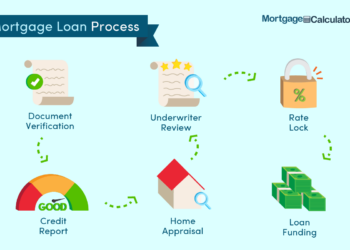

Embark on a journey through the essential financial tips provided by Mortgage.radarbanten.co.id for first-time buyers. This comprehensive guide aims to equip you with the knowledge and strategies necessary to navigate the home buying process with confidence.
Delve into the intricacies of financial planning, mortgage options, budgeting tips, saving for a down payment, and building credit score to pave the way for a successful home purchase.
Importance of Financial Planning
Financial planning is crucial for first-time homebuyers as it helps them prepare for the significant financial commitment of purchasing a home. By setting clear financial goals and creating a budget, buyers can ensure they are making a sound investment and avoid potential financial hardships in the future.
Examples of Financial Goals
- Save for a down payment: Setting a specific goal for the amount of money needed for a down payment can help buyers track their progress and stay motivated.
- Establish an emergency fund: Having savings set aside for unexpected expenses can provide a safety net and prevent buyers from going into debt.
- Improve credit score: A higher credit score can help buyers qualify for better mortgage rates, saving them money over the life of the loan.
Impact on Long-Term Financial Stability
Financial planning not only helps first-time buyers achieve their goal of homeownership but also sets them up for long-term financial stability. By creating a budget, managing debt, and saving for the future, buyers can build a strong financial foundation that will benefit them for years to come.
Understanding Mortgage Options

When it comes to purchasing your first home, understanding the various mortgage options available is crucial to making an informed decision that aligns with your financial goals.
Types of Mortgages
- Conventional Loans: These are traditional mortgages not insured or guaranteed by the federal government, typically requiring a higher credit score and down payment.
- FHA Loans: Backed by the Federal Housing Administration, these loans are more accessible to first-time buyers with lower credit scores and down payment requirements.
- VA Loans: Reserved for eligible veterans, active-duty service members, and their families, these loans offer favorable terms and do not require a down payment.
Fixed-Rate vs. Adjustable-Rate Mortgages
Fixed-rate mortgages offer stable monthly payments throughout the loan term, providing predictability but potentially higher initial rates. On the other hand, adjustable-rate mortgages (ARMs) start with lower rates that adjust periodically, offering potential savings but also the risk of increasing payments.
Impact of Interest Rates
Interest rates play a significant role in determining the total cost of a mortgage. A lower interest rate can result in substantial savings over the life of the loan, while higher rates may increase your overall expenses. Understanding how interest rates affect your monthly payments and total repayment amount is essential for choosing the right mortgage option.
Budgeting Tips for Homeownership
When it comes to buying a home, having a solid budget in place is crucial for ensuring financial stability and peace of mind. By carefully planning your finances, you can avoid potential pitfalls and make informed decisions throughout the homebuying process.Creating a Realistic Budget
- Start by calculating your total monthly income, including wages, bonuses, and any other sources of revenue.
- Next, list all your monthly expenses, such as utilities, groceries, insurance, and transportation costs.
- Factor in your current debt obligations, such as student loans or car payments, to determine your debt-to-income ratio.
- Use a mortgage affordability calculator to estimate how much you can comfortably afford to spend on housing each month.
Calculating Total Cost of Homeownership
- Consider additional costs beyond the mortgage payment, such as property taxes, homeowner's insurance, and maintenance expenses.
- Factor in closing costs, which typically range from 2% to 5% of the home's purchase price.
- Include homeowners association (HOA) fees if you are buying a property in a managed community.
- Account for potential increases in interest rates and utility costs over time.
Setting Aside Funds for Unexpected Expenses
- Build an emergency fund to cover unexpected repairs, job loss, or medical expenses that may arise.
- Allocate a portion of your budget for home maintenance and repairs to prevent costly issues down the line.
- Consider purchasing a home warranty to protect against major repair or replacement costs for essential systems and appliances.
- Consult with a financial advisor to ensure you have a comprehensive financial plan in place to handle any unforeseen circumstances.
Saving for a Down Payment
When it comes to buying your first home, saving for a down payment is a crucial step in the process. Here are some tips on how first-time buyers can save for a down payment:
Setting a specific savings goal each month can help you stay on track and make steady progress towards your down payment.
Advantages of Making a Larger Down Payment
- Lower monthly mortgage payments: Making a larger down payment can reduce the amount you need to borrow, leading to lower monthly mortgage payments.
- Equity and better loan terms: A larger down payment can help you build equity in your home faster and may also qualify you for better loan terms.
- Avoiding private mortgage insurance (PMI): With a larger down payment, you may be able to avoid paying for PMI, which is required for smaller down payments.
Programs for Down Payment Assistance
- FHA loans: The Federal Housing Administration offers loans with lower down payment requirements, making homeownership more accessible for first-time buyers.
- Down payment grants: Some organizations and government programs offer grants to assist buyers with their down payment, reducing the upfront costs of purchasing a home.
- Gift funds: Buyers may receive gift funds from family members or relatives to help cover their down payment, providing additional financial support.
Building Credit Score
Having a good credit score is crucial when applying for a mortgage as it plays a significant role in determining your loan approval and interest rates. Lenders use your credit score to assess your creditworthiness and ability to repay the loan on time.
Steps to Improve Credit Score
- Pay bills on time: Timely payments are essential to building a positive credit history.
- Reduce credit card balances: Keeping credit card balances low can help improve your credit score.
- Check your credit report: Regularly review your credit report for errors and take steps to correct any inaccuracies.
- Avoid opening new credit accounts: Opening multiple new accounts can lower your credit score.
- Keep old accounts open: Closing old accounts can shorten your credit history and negatively impact your score.
Impact on Loan Approval and Interest Rates
Your credit history has a direct impact on whether you get approved for a mortgage and the interest rate you receive. A higher credit score typically results in lower interest rates and better loan terms, while a lower credit score may lead to higher interest rates or even loan denial.
Closure
In conclusion, arming yourself with the right financial knowledge and tools is key to achieving your dream of homeownership. By implementing these top financial tips from Mortgage.radarbanten.co.id, you can embark on this exciting journey with clarity and assurance.
Popular Questions
Why is financial planning crucial for first-time homebuyers?
Financial planning helps buyers set realistic goals, understand their financial capabilities, and secure their long-term financial stability.
What are the advantages of making a larger down payment?
A larger down payment can lead to lower monthly payments, reduced interest costs, and potentially avoiding private mortgage insurance.
How can first-time buyers improve their credit score?
First-time buyers can improve their credit score by paying bills on time, reducing debt, and checking their credit report for errors.