
Delve into the world of home exteriors with a comprehensive guide on evaluating the best siding and gutters. From exploring different materials to understanding key factors in selection, this topic offers valuable insights for homeowners seeking to enhance their property's appeal and durability.
Learn about the various types of siding and gutter systems, their maintenance requirements, and how to make informed choices based on climate, architectural style, and curb appeal considerations.
Considerations for Siding Materials
When it comes to choosing siding materials for your home, there are several options available, each with its own set of advantages and disadvantages. It's important to consider factors such as durability, maintenance requirements, and overall aesthetic appeal before making a decision.Types of Siding Materials
- Vinyl Siding: Vinyl siding is popular due to its affordability and low maintenance requirements. It comes in a variety of colors and styles, making it a versatile option for many homeowners.
- Wood Siding: Wood siding offers a traditional and natural look to a home. While it requires more maintenance than vinyl, it can provide a unique charm and character that other materials may not.
- Fiber Cement Siding: Fiber cement siding is known for its durability and resistance to insects, rot, and fire. It can mimic the look of wood or stucco but requires less maintenance over time.
- Metal Siding: Metal siding, such as aluminum or steel, is a durable option that can withstand harsh weather conditions. It is low maintenance and can be painted to match your home's exterior color scheme.
Durability Comparison
- Vinyl siding is prone to cracking and fading over time, especially in extreme weather conditions.
- Wood siding may rot, warp, or attract pests if not properly maintained and treated regularly.
- Fiber cement siding is highly durable and can last for decades without needing replacement. It is resistant to moisture and pests.
- Metal siding is also durable and can withstand dents, scratches, and other damages better than other materials. It is a long-lasting option for homeowners looking for low maintenance.
Maintenance Requirements
- Vinyl siding requires occasional cleaning with soap and water to maintain its appearance.
- Wood siding needs to be inspected regularly for signs of damage, such as rot or pests, and may require staining or painting every few years.
- Fiber cement siding is relatively low maintenance, needing only occasional cleaning to remove dirt and debris.
- Metal siding can be cleaned with water and a mild detergent to remove dirt and grime. It may need repainting every few years to prevent corrosion.
Evaluation of Gutter Systems
Gutters play a crucial role in protecting a home's exterior by channeling rainwater away from the foundation, preventing water damage, erosion, and mold growth.Types of Gutter Materials
- Aluminum: Lightweight, resistant to rust, and easy to install. However, it may dent easily.
- Steel: Durable and strong, but prone to rust if not properly maintained.
- Copper: Highly durable, adds a decorative touch, but comes with a higher price tag.
- Vinyl: Affordable, easy to install, and low maintenance, but may crack in extreme temperatures.
Pros and Cons of Different Gutter Styles
- K-Style Gutters: Most common style, efficient in handling water flow, but can be challenging to clean due to their shape.
- Half-Round Gutters: Classic look, less prone to debris buildup, but may have less capacity to handle heavy rainfall.
- Box Gutters: Blend seamlessly with the roofline, offer high water capacity, but require regular maintenance to prevent clogging.
Factors to Consider When Choosing Siding
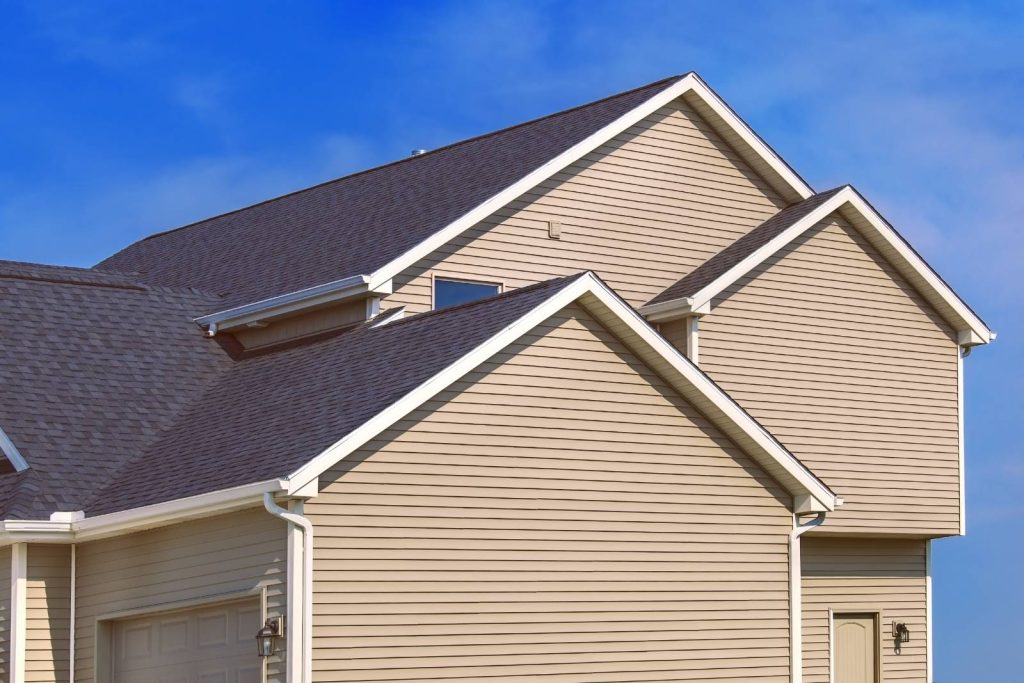 When selecting siding for your home exterior, it's essential to take various factors into account to ensure you make the right choice. Factors such as climate, architectural style, color, and texture all play a significant role in determining the most suitable siding option for your home
Climate Influence on Siding Choices
Climate is a crucial factor to consider when choosing siding for your home. Different types of siding materials perform differently in various weather conditions. For example, vinyl siding is a popular choice in regions with high humidity, as it is resistant to moisture and does not rot. On the other hand, fiber cement siding is more suitable for areas with extreme temperature fluctuations, as it is durable and resistant to warping or cracking.
Impact of Architectural Style on Siding Selection
The architectural style of your home can greatly influence the choice of siding. Traditional homes may look best with siding options like cedar shake or wood clapboard, while modern homes often pair well with metal or stucco siding. It's important to choose siding that complements the existing style of your home to enhance its overall aesthetic appeal.
Significance of Color and Texture in Enhancing Curb Appeal
Color and texture play a vital role in enhancing a home's curb appeal through the choice of siding. The color of siding can drastically change the appearance of a home, making it look more inviting or modern, depending on the desired effect. Additionally, the texture of siding, such as smooth, rough, or embossed finishes, can add depth and visual interest to the exterior of your home, creating a unique and appealing look.
Key Considerations for Selecting Gutters
When it comes to selecting gutters for your home, there are several key considerations that you should keep in mind to ensure that they function effectively and protect your home from water damage.Proper Sizing and Capacity: Gutters come in different sizes and capacities, and it is important to choose the right one for your home. The size and capacity of the gutters should be able to handle the amount of rainfall in your area. Installing gutters that are too small can result in overflow during heavy rain, leading to water damage to your home's foundation, siding, and landscaping.Role of Gutter Guards: Gutter guards are essential in preventing clogs and debris buildup in your gutters. These guards help to keep leaves, twigs, and other debris out of the gutters, allowing water to flow freely and prevent blockages. Investing in gutter guards can save you time and money on maintenance and repair costs in the long run.Pitch of the Roof: The pitch of your roof plays a significant role in the design and installation of gutters. The pitch determines how quickly water runs off the roof, which affects the flow of water into the gutters. For roofs with a steep pitch, larger gutters may be needed to accommodate the faster water flow. It is important to consider the pitch of your roof when choosing the right gutters for your home.Closure
In conclusion, mastering the art of selecting the right siding and gutters is crucial for maintaining a functional and aesthetically pleasing home exterior. By considering all the factors discussed, homeowners can make informed decisions that elevate the overall look and protection of their property.
FAQ Insights
What are the key maintenance requirements for vinyl siding?
Vinyl siding typically requires periodic cleaning with a mixture of water and mild soap to maintain its appearance. Avoid using harsh chemicals or abrasive materials that can damage the surface.
How does climate influence the choice of gutter materials?
In regions with heavy rainfall, durable materials like steel or copper are preferred for gutters to ensure longevity and proper water management. For drier climates, vinyl gutters may suffice.
What role do gutter guards play in gutter maintenance?
Gutter guards help prevent leaves, debris, and pests from clogging the gutter system, reducing the frequency of cleaning and minimizing the risk of water damage to the home.