
Exploring the realm of Financing Your Renovation: Finding Affordable Siding and Roofing Near Me, this introduction sets the stage for an enlightening journey, blending informative insights with a touch of intrigue and relevance.
Detailing the essence of the topic in a comprehensive yet engaging manner, this paragraph aims to captivate readers right from the start.
Affordable Siding Options
When renovating your home, finding budget-friendly siding materials is essential to stay within your financial plan. Here are some affordable siding options to consider:Vinyl Siding
- Cost: Vinyl siding is one of the most affordable options on the market.
- Durability: It is known for its durability and resistance to harsh weather conditions.
- Maintenance: Vinyl siding requires minimal maintenance, making it a cost-effective choice in the long run.
Wood Siding
- Cost: Wood siding can be cost-effective depending on the type of wood chosen.
- Durability: While wood siding offers a natural and timeless look, it may require more maintenance to prevent rot and decay.
- Maintenance: Regular maintenance such as painting or staining is necessary to preserve the wood siding's integrity.
Fiber Cement Siding
- Cost: Fiber cement siding falls in the mid-range in terms of cost, offering a balance between affordability and durability.
- Durability: It is highly durable and resistant to rot, pests, and fire, making it a long-lasting option for your home.
- Maintenance: Fiber cement siding requires minimal maintenance and is known for its longevity.
1. Research local siding companies and inquire about any ongoing promotions or discounts. 2. Look for seasonal deals when contractors may offer lower prices during slower months. 3. Ask for multiple quotes from different contractors to compare prices and negotiate for the best deal. 4. Consider bundling siding installation with other renovation projects to potentially save on overall costs.
Roofing Materials Comparison
 When it comes to choosing roofing materials for your renovation project, there are several options available, each with its own set of pros and cons. Understanding the cost, longevity, maintenance requirements, and energy efficiency of different roofing materials can help you make an informed decision that fits your budget and needs.
Asphalt Shingles
Asphalt shingles are a popular choice due to their affordability and ease of installation. They come in a variety of colors and styles, making them versatile for different architectural designs. However, asphalt shingles have a shorter lifespan compared to other materials, typically lasting around 20-30 years. They also require regular maintenance, such as replacing damaged shingles and cleaning moss or algae growth.Metal Roofing
Metal roofing is known for its durability and longevity, with some types lasting up to 50 years or more. While metal roofing tends to have a higher upfront cost than asphalt shingles, it can be a cost-effective choice in the long run due to its longevity and minimal maintenance requirements. Metal roofs are also energy-efficient, reflecting sunlight to help reduce cooling costs in hot climates.Clay Tiles
Clay tiles are a classic choice for roofing materials, known for their beauty and longevity. They can last 50 years or more and are resistant to fire, rot, and insect damage. However, clay tiles are one of the most expensive roofing options, both in terms of materials and installation costs. They are also heavy, requiring a strong roof structure for support.Energy Efficiency Considerations
When choosing roofing materials, consider the energy efficiency of each option. Light-colored materials like metal roofing or clay tiles can reflect sunlight and reduce cooling costs in warm climates. Additionally, some roofing materials may be eligible for energy efficiency tax credits or incentives, helping you save money in the long term.Local Siding and Roofing Suppliers
 When it comes to renovating your home, finding reputable siding and roofing suppliers in your local area can make a big difference in the quality and cost of materials you use. Here are some tips on how to research and vet suppliers for quality materials, as well as the benefits of sourcing materials locally for cost savings.
Reputable Suppliers in the Local Area
- Ask for recommendations from friends, family, or neighbors who have recently completed a renovation project.
- Check online reviews and ratings for local suppliers to gauge their reputation and customer satisfaction.
- Visit supplier showrooms or warehouses to see the materials in person and assess their quality.
Research and Vetting Tips
- Verify that suppliers carry reputable brands and have a good track record of providing high-quality materials.
- Inquire about warranties, return policies, and customer support services offered by the suppliers.
- Request samples of materials to evaluate their durability, appearance, and suitability for your renovation project.
Benefits of Local Sourcing
- Reduced shipping costs and lead times when sourcing materials locally.
- Supporting local businesses and the community by choosing suppliers in your area.
- Potential for personalized service, discounts, and faster response times from local suppliers.
Negotiating Prices for Bulk Purchases
- Ask suppliers if they offer discounts for bulk purchases or package deals for siding and roofing materials.
- Compare quotes from multiple suppliers to leverage negotiations and secure the best price for your renovation project.
- Be prepared to negotiate terms such as delivery schedules, payment options, and additional services to maximize cost savings.
Financing Options for Renovation Projects
When it comes to renovating siding and roofing, finding the right financing option can make a significant difference in the overall cost and convenience of the project. Let's explore the different financing options available to homeowners.
Personal Loans
Personal loans are a popular choice for financing renovation projects due to their flexibility and ease of access. They can be used for a variety of purposes, including home improvements. Here are some pros and cons:
- Pros:
- Quick access to funds
- No collateral required
- Fixed interest rates
- Cons:
- Higher interest rates compared to home equity loans
- May have stricter eligibility criteria
Home Equity Loans
Home equity loans allow homeowners to borrow against the equity in their homes, making them a popular choice for larger renovation projects. Here are some key points to consider:
- Pros:
- Lower interest rates compared to personal loans
- Potentially tax-deductible interest payments
- Larger loan amounts available
- Cons:
- Requires equity in your home
- Risk of losing your home if you default on payments
Contractor Financing
Some contractors offer financing options to homeowners for their renovation projects. While convenient, it's essential to understand the terms and conditions before committing to this option:
- Pros:
- Streamlined process with the contractor
- Potential promotional offers or discounts
- Cons:
- Interest rates may be higher
- Limited loan options compared to traditional lenders
Determining the Best Financing Option
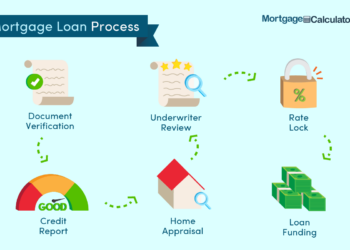
When deciding on the best financing option for your renovation project, consider factors such as your budget, credit score, and the total cost of the project. It's essential to compare interest rates, fees, and repayment terms to find the most cost-effective solution that fits your financial situation.
Final Summary
Concluding our exploration on Financing Your Renovation: Finding Affordable Siding and Roofing Near Me, this section encapsulates the key takeaways and leaves a lasting impression on the significance of the discussion.
FAQ Section
What are some budget-friendly siding materials?
Common budget-friendly siding materials include vinyl, wood, and fiber cement.
How can I find discounts or deals on siding installation services?
To find discounts on siding installation services, consider looking for seasonal promotions, negotiating with suppliers, or bundling services for a better deal.
What are some key considerations when choosing roofing materials for energy efficiency?
When selecting roofing materials for energy efficiency, factors like insulation properties, reflective coatings, and ventilation play a crucial role.