

Embark on a journey through the essential steps of mortgage pre-approval with this detailed guide found on Mortgage.radarbanten.co.id. Discover how this process can give you an edge in the competitive home buying market, providing insights and tips to help you navigate the complexities of securing a mortgage.
Importance of Mortgage Pre-Approval
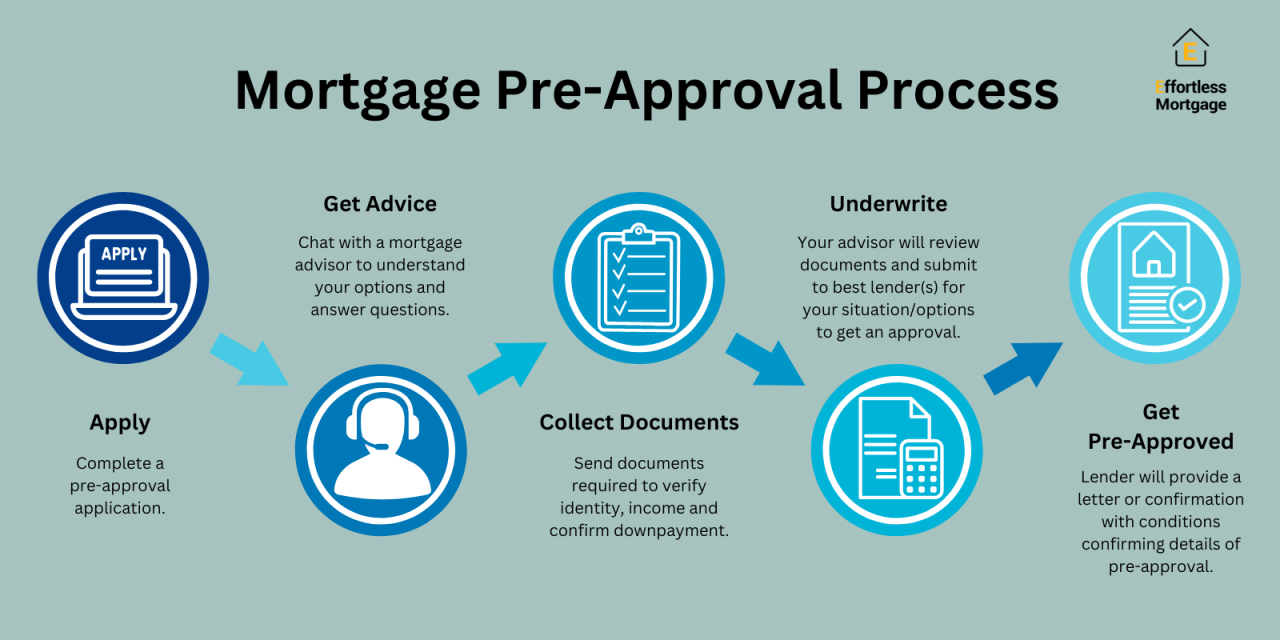
Getting pre-approved for a mortgage is a crucial step in the home buying process as it provides several benefits to potential buyers.
Streamlined Home Buying Process
Having a pre-approval letter from a lender can help streamline the home buying process. It shows sellers that you are a serious buyer and have already taken the necessary steps to secure financing. This can potentially make your offer more attractive and increase your chances of having it accepted.
Understanding Your Budget
Through the pre-approval process, you will get a clear understanding of how much you can afford to spend on a home. This helps you narrow down your search to properties that are within your budget, saving you time and avoiding disappointment from falling in love with a home that you cannot afford.
Competitive Edge in the Market
With a pre-approval in hand, you have a competitive edge in a hot real estate market. It shows sellers that you are financially capable of purchasing their home, which can give you an advantage over other potential buyers who have not been pre-approved. In a multiple offer situation, having a pre-approval can make your offer stand out and increase the likelihood of it being accepted.
Steps to Obtain Mortgage Pre-Approval
When it comes to obtaining mortgage pre-approval, there are several key steps to follow to ensure a smooth and successful application process.To begin the process of mortgage pre-approval, you will need to gather important documentation that will be required by lenders to assess your financial situation and determine the amount you can borrow. This documentation typically includes proof of income, employment verification, credit history, and details of any debts or financial obligations you may have.Documentation Required for Mortgage Pre-Approval
- Proof of income such as pay stubs, W-2 forms, or tax returns.
- Employment verification to confirm your current job status and income stability.
- Credit history report to assess your credit score and financial responsibility.
- Details of debts and financial obligations to determine your debt-to-income ratio.
Timeline for Mortgage Pre-Approval
- The timeline for getting pre-approved for a mortgage can vary depending on the lender and your individual financial situation.
- Typically, the pre-approval process can take anywhere from a few days to a few weeks to complete.
- It is important to have all your documentation ready and be prepared to provide any additional information requested by the lender to expedite the process.
Factors Influencing Pre-Approval Decisions
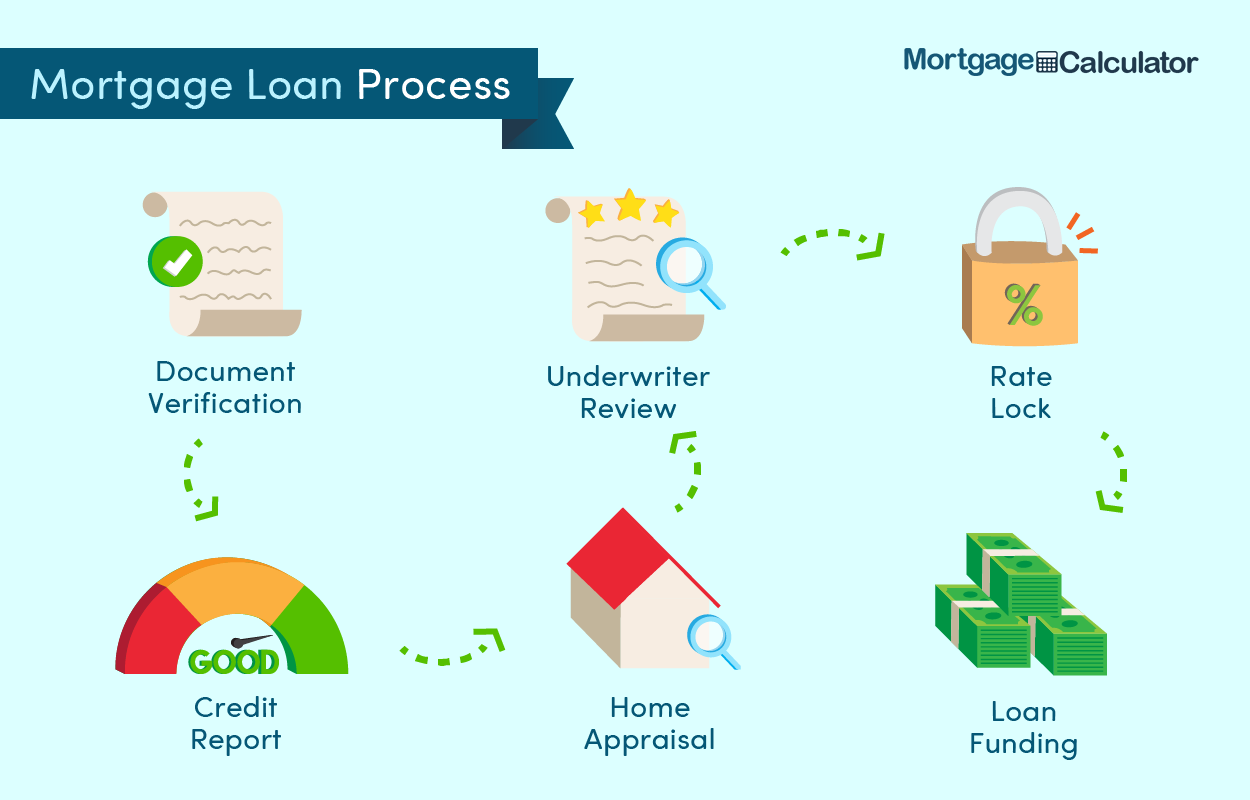 When applying for mortgage pre-approval, there are several key factors that lenders take into consideration to determine your eligibility for a loan. Understanding these factors can help you prepare a strong application and increase your chances of getting pre-approved.
Credit Score and Income
Your credit score and income are two critical factors that lenders look at when reviewing your pre-approval application- Having a good credit score can help you qualify for better interest rates and loan terms.
- A higher income can increase the amount you are pre-approved for, allowing you to afford a more expensive home.
- Lenders may request pay stubs, W-2s, and tax returns to verify your income and employment stability.
Debt-to-Income Ratio
Another crucial factor that lenders consider is your debt-to-income ratio (DTI). This ratio compares your monthly debt payments to your gross monthly income. Lenders use this metric to assess your ability to manage your current debts along with a new mortgage payment. A lower DTI ratio indicates that you have more disposable income available to cover your mortgage payments.Aim to keep your DTI ratio below 43% to qualify for most conventional loans.
- Reducing your existing debts can help lower your DTI ratio and increase your chances of pre-approval.
- Lenders may require documentation of your current debts, such as credit card statements, auto loans, and student loans.
- Improving your DTI ratio can not only help you qualify for a mortgage but also make you a more attractive borrower in the eyes of lenders.
Benefits of Mortgage Pre-Approval
Mortgage pre-approval offers several advantages to potential homebuyers, providing them with a competitive edge in the real estate market. By obtaining pre-approval, individuals can streamline the homebuying process and demonstrate their financial readiness to sellers.Advantages of Mortgage Pre-Approval
- Increased Credibility: Having a pre-approval letter from a lender shows sellers that you are a serious buyer with the financial means to secure a mortgage.
- Clear Budget Range: Pre-approval helps you understand your purchasing power and set a realistic budget for your home search.
- Faster Closing: Since much of the paperwork is already completed during pre-approval, the closing process can be expedited, allowing you to move into your new home sooner.
Pre-Approval vs. Pre-Qualification
- Pre-Approval: Involves a thorough review of your financial background, credit history, and income verification, providing a more concrete commitment from a lender.
- Pre-Qualification: A basic assessment based on self-reported information, offering an estimate of how much you may be able to borrow without the same level of verification.
How Pre-Approval Aids in Negotiations
- Competitive Advantage: With pre-approval, you can negotiate confidently, knowing that you have already secured financing and are in a strong position to make offers.
- Faster Deal Closures: Sellers may be more inclined to accept your offer over others without pre-approval, as it signifies a smoother and more secure transaction.
- Price Negotiation Power: Pre-approval can help you negotiate better prices, as sellers are more likely to consider offers from serious, financially stable buyers.
Final Review
In conclusion, this guide has shed light on the importance of mortgage pre-approval, the steps involved in obtaining it, the factors that influence approval decisions, and the benefits it offers. Armed with this knowledge, you are better equipped to embark on your home buying journey with confidence.
FAQ Summary
What documents are required for a mortgage pre-approval?
The typical documents needed include proof of income, bank statements, tax returns, and identification.
How does debt-to-income ratio impact the pre-approval process?
Lenders use the debt-to-income ratio to assess your ability to manage monthly payments, affecting your pre-approval amount.
What advantages does mortgage pre-approval offer over pre-qualification?
Pre-approval is a more thorough process, providing a clearer picture of the loan amount you can secure, giving you a stronger position in negotiations.