
Embark on a journey to discover the world of energy-efficient upgrades for windows and siding, where knowledge meets practicality. This passage invites you to explore a realm of information that promises to enhance your understanding and decision-making process.
Delve deeper into the intricacies of energy-efficient upgrades and unveil the secrets to optimizing your home's efficiency and sustainability.
Researching Energy-Efficient Windows and Siding
When it comes to upgrading your home with energy-efficient windows and siding, the benefits extend far beyond just aesthetics. Energy-efficient upgrades can significantly impact your utility costs and reduce your environmental footprint. By choosing the right materials and features, you can enhance the comfort of your home while also saving money in the long run.
Key Features for Energy-Efficient Upgrades
- High Energy Efficiency Ratings: Look for windows and siding with high energy efficiency ratings, such as ENERGY STAR certification, to ensure optimal performance in reducing heat transfer.
- Quality Insulation: Opt for materials that provide excellent insulation properties to maintain a consistent indoor temperature and reduce the workload on your heating and cooling systems.
- Multiple Panes and Low-E Coatings: Consider windows with multiple panes and low-emissivity (Low-E) coatings to enhance thermal efficiency and minimize heat loss.
- Durable and Weather-Resistant: Choose siding materials that are durable and weather-resistant to withstand harsh elements and maintain their energy-saving properties over time.
Importance of Energy Efficiency
Energy efficiency plays a crucial role in lowering your utility bills by reducing the amount of energy needed to heat and cool your home. By investing in energy-efficient upgrades, you can enjoy a more comfortable living space while also contributing to environmental conservation by minimizing energy consumption and greenhouse gas emissions.
Finding Local Suppliers and Contractors
When looking for reputable suppliers and contractors for windows and siding upgrades, there are a few key tips to keep in mind. Working with local businesses can offer several advantages, including easier communication, quicker response times, and potential cost savings. Let's explore the benefits of sourcing materials locally and compare it to online options.
Advantages of Working with Local Businesses
- Local businesses are more familiar with the area's building codes and regulations, ensuring compliance with all requirements.
- Building relationships with local suppliers and contractors can lead to personalized service and attention to detail.
- Supporting local businesses helps stimulate the local economy and creates a sense of community involvement.
Comparing Local Sourcing to Online Options
- Local suppliers may offer quicker delivery times and easier returns or exchanges compared to online retailers.
- Online options may provide a wider selection of materials and brands, allowing for more customization and price comparison.
- Consider the environmental impact of shipping materials from online retailers versus sourcing locally for a more sustainable choice.
Evaluating Cost and ROI
When considering energy-efficient upgrades such as windows and siding, it is important to evaluate the cost and potential return on investment (ROI). Calculating the ROI can help determine the long-term benefits of these upgrades in terms of energy savings and increased property value.
Calculating Return on Investment (ROI)
One way to calculate the ROI for energy-efficient upgrades is by comparing the initial cost of the upgrades to the expected savings over time. The formula for ROI is:
ROI = (Net Savings / Cost of Upgrades) x 100%
This formula takes into account the total savings generated by the upgrades and divides it by the initial cost, providing a percentage that represents the return on investment.
Cost-Effective Energy-Efficient Options
There are several cost-effective energy-efficient window and siding options available that can provide significant savings in the long run. Some examples include:
- Double-pane windows with low-emissivity coatings to reduce heat loss and gain
- Vinyl siding with added insulation for improved energy efficiency
- Fiberglass windows that offer durability and energy savings
Long-Term Savings vs. Upfront Costs
It is important to weigh the long-term savings against the upfront costs when considering energy-efficient upgrades. While the initial investment may seem high, the potential for reduced energy bills and increased property value can result in significant savings over time. Additionally, many energy-efficient upgrades may qualify for rebates or tax incentives, further offsetting the upfront costs.
Design and Material Selection
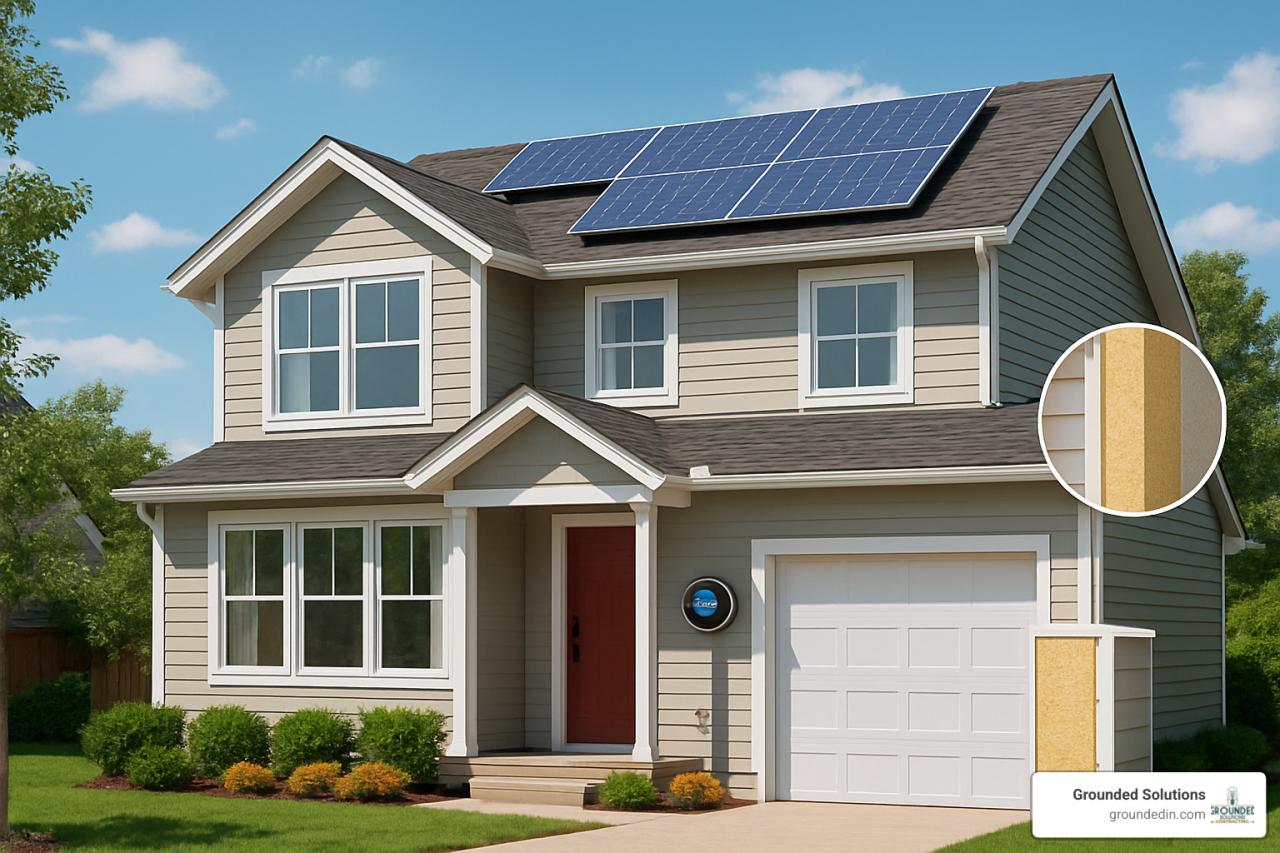 When it comes to energy-efficient upgrades for windows and siding, choosing the right design and materials is crucial. Not only do these decisions impact the energy efficiency of your home, but they also play a significant role in the overall aesthetics.
Different Materials for Energy-Efficient Windows and Siding
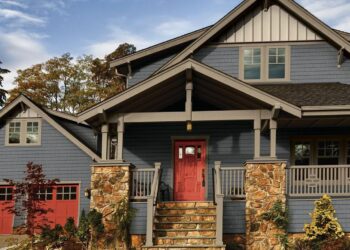
- Windows: Common materials for energy-efficient windows include vinyl, fiberglass, aluminum, and wood. Each material has its pros and cons in terms of energy efficiency, durability, and cost.
- Siding: Energy-efficient siding materials include vinyl, fiber cement, wood, and metal. The choice of material can affect insulation properties, maintenance requirements, and overall appearance.
Impact of Design Choices on Energy Efficiency and Aesthetics
- Windows: Factors like the number of panes, gas fills, low-emissivity coatings, and frame materials can significantly impact energy efficiency. Design choices also affect the style and appearance of your windows.
- Siding: The thickness, texture, and color of siding can impact energy efficiency by influencing insulation properties. Additionally, design choices such as vertical or horizontal orientation can affect the aesthetic appeal of your home.
Recommendations for Selecting Design and Materials
- Climate Considerations: Choose materials and designs that are suitable for your climate. For example, insulated vinyl siding may be more beneficial in colder climates, while fiber cement siding may be better in areas prone to extreme weather.
- Building Types: Consider the architectural style of your home when selecting design elements. Traditional homes may benefit from wood windows for a classic look, while modern homes could opt for sleek aluminum frames.
Final Summary
In conclusion, Energy-Efficient Upgrades: Finding the Best Windows and Siding Near Me offers a blend of insight and guidance, paving the way for a greener, more cost-effective living environment. Dive into the realm of energy efficiency and elevate your home to new heights of sustainability.
Quick FAQs
What are the benefits of energy-efficient windows and siding?
Energy-efficient windows and siding offer improved insulation, reduced energy consumption, and lower utility bills. They also enhance the comfort of your home by maintaining consistent indoor temperatures.
How do I find reputable suppliers and contractors for energy-efficient upgrades?
You can ask for recommendations from friends and family, read online reviews, and verify licenses and certifications before choosing a supplier or contractor. Local business directories and trade associations can also provide valuable information.
What is the return on investment (ROI) for energy-efficient upgrades?
The ROI for energy-efficient upgrades varies depending on factors like energy costs, installation expenses, and the quality of materials used. Generally, energy-efficient upgrades provide long-term savings that outweigh initial costs.