
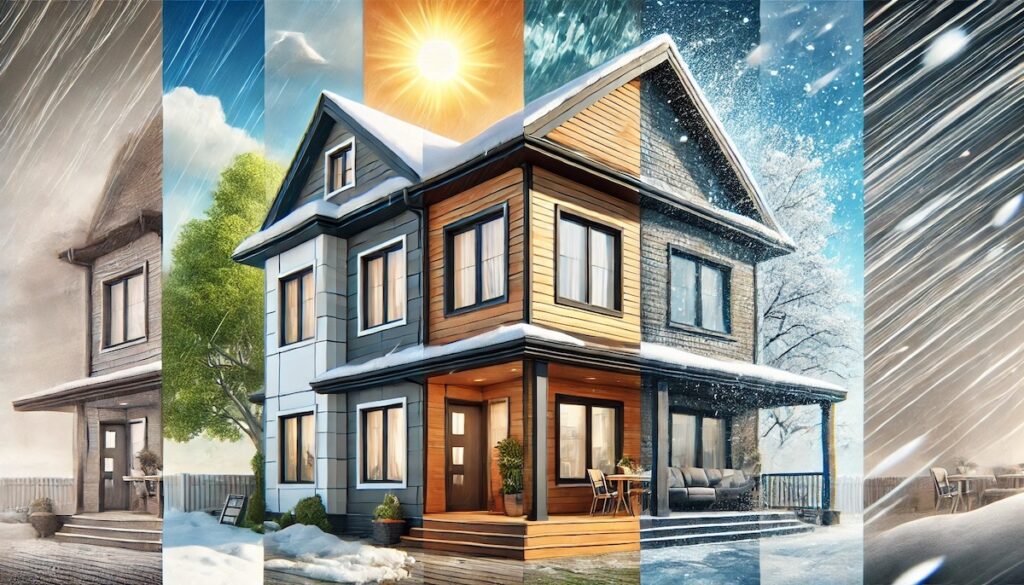
Exploring the importance of local climate experience for siding and roofing near you, this introduction sets the stage for a deep dive into how weather conditions impact the durability and maintenance of these essential home components. From extreme weather examples to tips on material selection, this overview aims to provide valuable insights for homeowners.
Importance of Local Climate Experience
Understanding the local climate conditions is crucial when it comes to choosing the right siding and roofing materials for your home. Local weather patterns have a significant impact on the durability and performance of these materials.
Impact of Local Climate on Durability
- Extreme temperatures: Siding and roofing materials must withstand both hot summers and cold winters. Materials that expand and contract with temperature changes are ideal for regions with such climate variations.
- Heavy rainfall: Areas prone to heavy rainfall require materials that are water-resistant and can prevent leaks and water damage.
- High winds: Regions with strong winds need siding and roofing materials that can withstand gusts and prevent damage.
Choosing the Right Materials
- For hot climates: Consider materials that reflect sunlight and heat to keep your home cool, such as metal roofs or light-colored siding.
- For cold climates: Opt for materials that provide insulation and can withstand snow and ice buildup, like asphalt shingles or vinyl siding.
- For rainy climates: Choose materials that are waterproof and resistant to mold and mildew, such as fiber cement siding or clay tiles.
Examples of Extreme Weather Impact
- In coastal areas: Homes near the coast are exposed to saltwater corrosion, requiring materials that are resistant to rust and decay.
- In tornado-prone regions: Siding and roofing materials must be able to withstand high winds and flying debris to prevent extensive damage during storms.
- In desert regions: Materials need to be able to withstand intense sunlight and temperature fluctuations without warping or fading quickly.
Selection of Materials Based on Climate
When it comes to choosing siding and roofing materials for your home, it is crucial to consider the local climate conditions. Different materials have varying levels of durability, energy efficiency, and maintenance requirements based on the climate they are exposed to. Here, we will discuss the importance of selecting the right materials for siding and roofing based on your specific location.Siding Materials Suitable for Different Climates
When choosing siding materials, it is essential to consider factors such as temperature fluctuations, humidity levels, and precipitation in your area. Here is a comparison of siding materials suitable for different climates:
- Vinyl Siding: Vinyl siding is a popular choice for its durability and low maintenance. It is suitable for a wide range of climates, including those with high humidity levels.
- Fiber Cement Siding: Fiber cement siding is known for its resistance to moisture and extreme temperatures, making it ideal for areas with frequent rain or snow.
- Wood Siding: Wood siding provides a natural and classic look to homes but requires regular maintenance to prevent rot and decay. It is best suited for moderate climates with mild weather conditions.
- Brick Siding: Brick siding offers excellent insulation and durability, making it suitable for areas with extreme temperature fluctuations.
Roofing Materials in Relation to Local Climate Conditions
The type of roofing material you choose can significantly impact your home's energy efficiency and longevity. Here are the pros and cons of various roofing materials based on local climate conditions:
- Asphalt Shingles: Asphalt shingles are cost-effective and versatile, making them suitable for most climates. However, they may not be as durable in areas with high winds or hail.
- Metal Roofing: Metal roofing is highly durable and energy-efficient, making it ideal for areas with extreme temperatures or heavy snowfall.
- Clay Tiles: Clay tiles are known for their durability and fire resistance, making them a great choice for hot and dry climates.
- Slate Roofing: Slate roofing offers a luxurious and long-lasting option for homes in areas with cold winters and heavy precipitation.
Tips for Choosing the Best Materials
When selecting siding and roofing materials based on your specific location, consider the following tips:
- Consult with local contractors or experts familiar with the climate in your area to get recommendations on the best materials to use.
- Choose materials that offer good insulation and energy efficiency to help regulate indoor temperatures and reduce energy costs.
- Consider the maintenance requirements of each material and choose a option that fits your lifestyle and budget.
- Look for materials with warranties or guarantees that cover damage caused by weather-related issues specific to your region.
Maintenance Considerations
When it comes to maintaining siding and roofing, the local climate plays a crucial role in determining the upkeep requirements. Different climate zones can have varying effects on the materials used for siding and roofing, making it essential to consider these factors for proper maintenance.
Impact of Local Climate on Maintenance
The local climate can impact the maintenance needs of siding and roofing in several ways. For instance, in areas with high humidity or frequent rainfall, mold and mildew growth can be a common issue that needs to be addressed regularly. On the other hand, in regions prone to extreme heat or cold, the expansion and contraction of materials can lead to cracks and damage that require immediate attention.
Regular inspections and maintenance are crucial in different climate zones to ensure the longevity and functionality of siding and roofing. By staying proactive and addressing any issues promptly, homeowners can prevent costly repairs and extend the lifespan of their exterior surfaces.
Best Practices for Maintenance Based on Local Climate
- Perform annual inspections to check for any signs of damage or wear, especially after extreme weather events.
- Clean gutters and downspouts regularly to prevent water buildup and potential water damage.
- Trim trees and branches near the house to avoid debris falling onto the roof and causing damage.
- Consider applying protective coatings or sealants to enhance the durability of siding and roofing materials in harsh climate conditions.
- Consult with local professionals or contractors with experience in the area's climate for tailored maintenance recommendations.
Energy Efficiency and Climate Impact
When it comes to the energy efficiency of your home, the choice of siding and roofing materials plays a crucial role. The climate in your area directly affects how these materials perform, impacting both your comfort indoors and the overall energy consumption of your home.Impact of Siding and Roofing Choices on Energy Efficiency
The type of siding and roofing materials you choose can significantly impact the energy efficiency of your home. In colder climates, for example, selecting materials with high insulating properties can help retain heat inside your home, reducing the need for excessive heating. On the other hand, in warmer climates, choosing materials that reflect sunlight and heat can help keep your home cool, reducing the reliance on air conditioning.- Proper insulation: Investing in well-insulated siding and roofing materials can help regulate indoor temperatures, reducing the need for heating and cooling.
- Reflective properties: Opting for materials that reflect sunlight can prevent heat absorption, keeping your home cooler and reducing the demand for air conditioning.
- Ventilation: Ensuring proper ventilation in your roofing system can help regulate temperature and moisture levels, improving energy efficiency.
Environmental Implications of Material Selection
The environmental impact of siding and roofing materials goes beyond energy efficiency. Certain materials require more energy to produce and may have a higher carbon footprint, contributing to environmental degradation. By choosing sustainable and eco-friendly materials, you can reduce the overall environmental impact of your home.- Sustainable options: Consider materials like recycled metal, sustainable wood, or eco-friendly composites that have a lower environmental impact.
- Longevity: Choosing durable materials that require less frequent replacement can also reduce waste and resource consumption over time.
- Recyclability: Opt for materials that are recyclable at the end of their lifespan to minimize waste and promote a circular economy.
Improving Energy Efficiency in Your Local Climate
To enhance the energy efficiency of your home based on your local climate, consider the following tips tailored to your specific region:- Consult local experts: Seek advice from professionals familiar with the climate in your area to determine the most suitable materials for your siding and roofing.
- Perform regular maintenance: Keep your siding and roofing well-maintained to ensure optimal performance and energy efficiency throughout the year.
- Upgrade if necessary: If your current materials are not energy-efficient, consider upgrading to more sustainable options that align with your climate needs.
Final Conclusion
In conclusion, understanding the significance of local climate experience when it comes to siding and roofing near you is vital for ensuring longevity, energy efficiency, and overall sustainability. By considering maintenance requirements and material choices tailored to your specific location, you can enhance the durability and performance of your home's exterior.
Q&A
How does local climate impact the durability of siding and roofing materials?
Local climate conditions such as extreme heat, cold, or moisture can significantly affect the lifespan and performance of siding and roofing materials.
What are the best practices for maintaining siding and roofing based on local climate experience?
Regular inspections, timely repairs, and choosing materials suited to your climate are key for maintaining siding and roofing near you.
How can siding and roofing choices influence energy efficiency in different climates?
The right materials and design can help improve insulation, reduce energy consumption, and lower utility bills in varying climate conditions.